From Apprenticeship to Short Course: How Rural Learning Changed
The history of rural learning helps you compare workplace teaching, college courses, and online study, then choose a format that fits the skills you need.
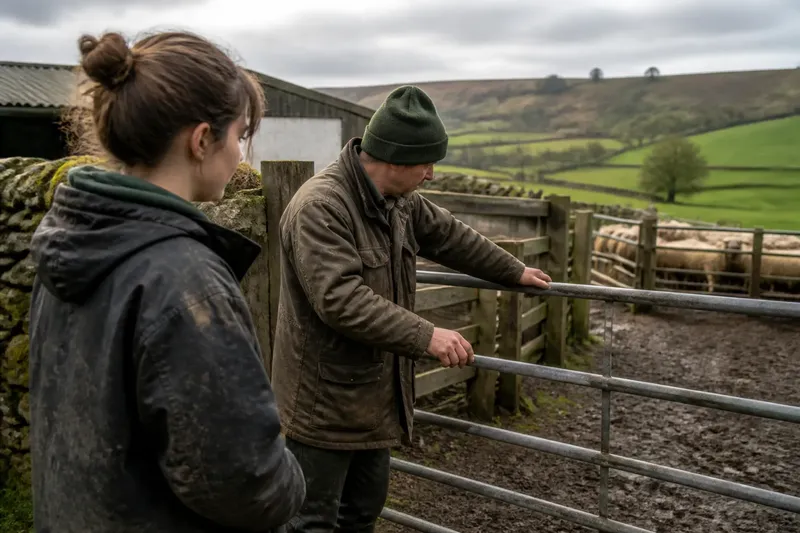
At a farm gate, a new worker watches a stockperson check a pen before the morning tasks begin. The history of rural learning is visible in that exchange: practical knowledge shared at work now sits alongside college courses, short training, and online lessons. Those formats can complement each other, but they do not teach in quite the same way.
Workplace learning keeps instruction close to the task
In many rural settings, people learn by joining a household, farm, workshop, or estate and taking on useful tasks. A learner watches an experienced worker handle tools, animals, weather, and the interruptions that rarely fit a lesson plan. Repetition and conversation connect instruction to the place where the skill will be used.
That closeness has a practical advantage: a learner can see how a decision changes with the ground, season, equipment, or condition of an animal. An instructor can correct an action when its consequences become visible, rather than leaving the learner to reconstruct the moment later.
Workplace teaching also depends on access and the quality of instruction. A learner needs someone willing and able to teach, and enough time to practice rather than being used only as extra labor. Without clear explanations, a useful custom can be hard to distinguish from a habit that has never been questioned.
Organized courses make rural knowledge easier to revisit
Schools, colleges, training providers, and industry organizations offer more structured ways to study rural subjects. A course can arrange material in a sequence, connect learners with instructors beyond one workplace, and give them written or recorded lessons to revisit.
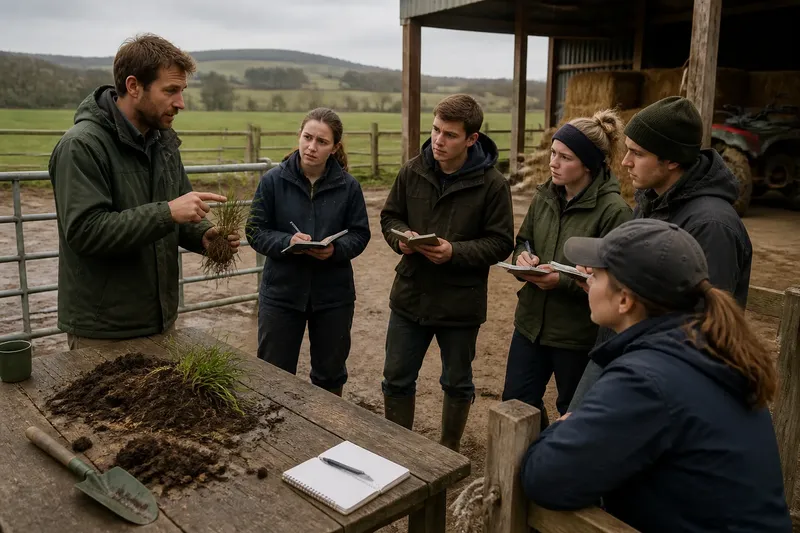
Structured teaching can be useful when a task depends on concepts that are difficult to pick up by watching alone. A soil lesson, for instance, can explain why sampling choices matter; field practice can then show how those choices affect the work. A workshop can introduce tool use, while supervised practice helps a learner recognize when a task should stop or be referred to a qualified person.
A course does not make workplace learning obsolete. Local conditions still shape decisions, and a learner needs opportunities to apply general concepts to the setting where the work happens. The course and the workplace can fill different gaps.
Flexible study helps with distance but cannot replace every kind of practice
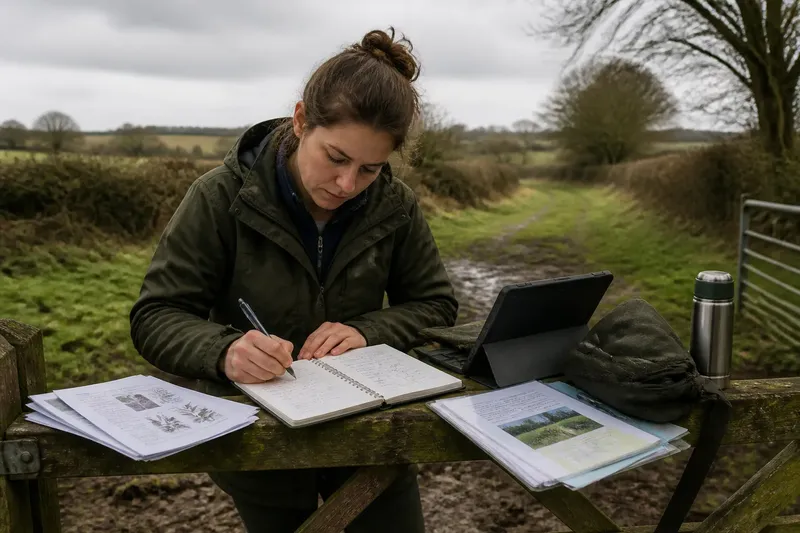
Part-time courses, online lessons, short courses, and blended programs offer different ways to fit study around seasonal work, travel, and other responsibilities. Online material can cover background knowledge without a long journey. A blended course may add practical sessions where learners can work with equipment or receive feedback.
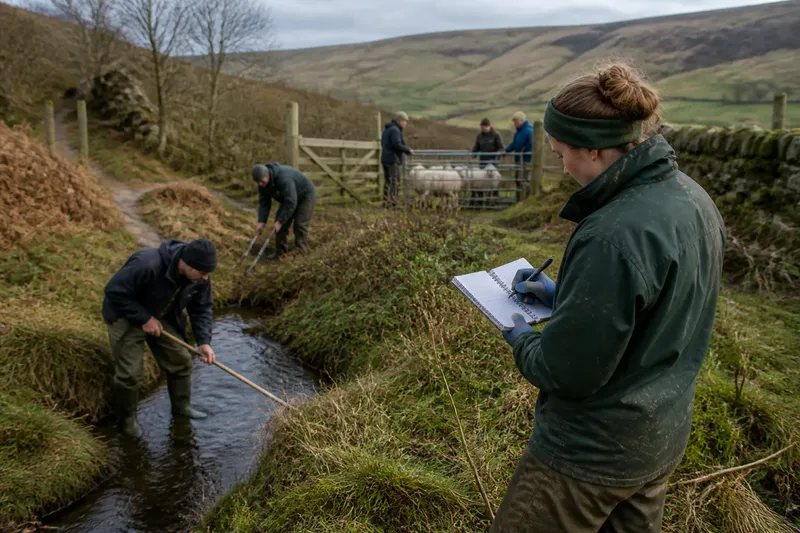
Convenience has limits. A video can demonstrate a technique, but it cannot provide the same feedback as an instructor observing a learner perform it. Some subjects require supervised practice, access to equipment, or contact with live settings. A short course may suit a defined task, while a broader qualification may fit learning that builds across several subjects.
Compare the task you want to perform with the course’s learning outcomes, practical sessions, assessment, and instructor support. Provider descriptions and entry requirements can help you see whether the format teaches what you need and where you will get feedback.
A fictional pasture learner combines a course with workplace teaching
Imagine Rowan, an invented seasonal worker at a small mixed farm who wants more responsibility for pasture management. Rowan knows the daily routine from working alongside an experienced stockperson but is unsure how to interpret soil information and plan grazing decisions as conditions change.
Rowan asks the supervisor to identify the decisions that need the most explanation, then compares a part-time college course with a short online unit. The online unit covers background concepts, while the college course includes supervised field sessions and instructor feedback. Rowan chooses the college option and continues asking the stockperson to explain how local conditions affect each decision.
After completing the course and practicing at work, Rowan can describe the reasoning behind a pasture decision, ask more specific questions during fieldwork, and identify when a condition calls for the supervisor’s advice. The tradeoff is extra travel and scheduled attendance in exchange for field instruction; the online unit would have been easier to fit around shifts but offered less direct observation. Neither course nor workplace teaching replaces the other.
Questions that clarify which rural learning format fits?
What will I be able to do after the course?
Look for learning outcomes tied to tasks, decisions, or knowledge rather than a general promise of confidence. Compare them with the responsibilities you want and the skills you already practice.
How much supervised practice is included?
Check whether practical work is demonstrated, observed, and followed by feedback. For work involving equipment, animals, or other safety-sensitive tasks, ask the provider how supervision works and follow relevant local requirements.
Does the timetable suit rural work?
Ask about attendance, travel, seasonal scheduling, online access, and arrangements for missed sessions. A workable timetable matters, but it should still leave room for the practice and support the subject requires.
What evidence of learning will I receive?
Find out whether completion means attendance, assessed work, a recognized qualification, or another record. That distinction can affect whether the course fits an employer’s expectations or a future study plan.
Rural learning can move between work and study
The history of rural learning is not a simple shift from apprenticeship to formal courses. It is a widening set of ways to build and check knowledge. Workplace teaching keeps instruction close to local conditions; organized courses can explain concepts and connect learners with expertise beyond one employer; flexible study can make some lessons easier to access.
When comparing rural learning options, start with the specific task or decision you need to understand, then check how each format teaches and assesses it. Ask who will observe your practice and how you will get useful feedback. A well-chosen course should address a real gap while leaving room for the local judgment that only comes from working with the land.