The Myth of One Straight Route into Countryside Work
Countryside work has no single entry route. Match your interests and existing skills to a concrete first move, then use what you learn to choose what comes next.
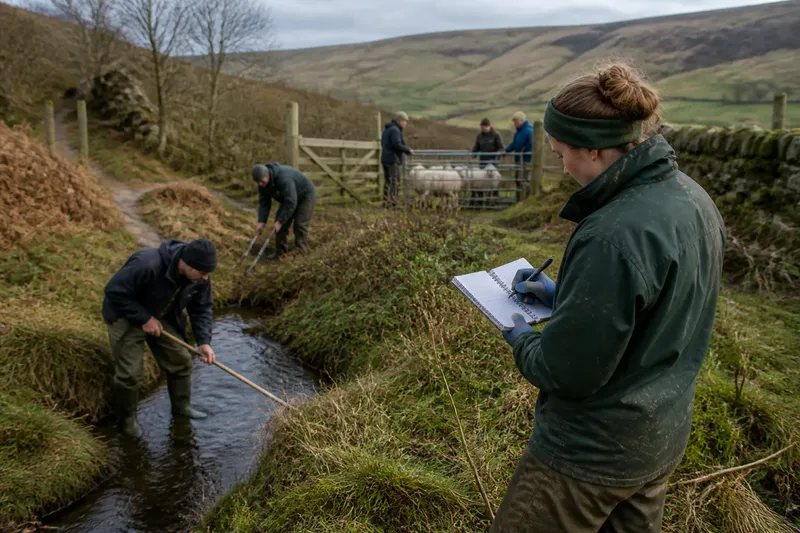
You might be clearing brambles beside a footpath, helping at a livestock sale, or checking a stream after rain when countryside work starts to look less like a job title and more like a kind of work you want to do. A countryside career has no single entry route, so the useful question is which next move fits your interests, experience, and circumstances.
People enter land-based work through practical courses, seasonal jobs, community projects, and skills carried over from other fields. The best first move depends on the tasks that appeal to you and what you need to learn before pursuing a particular role.
Choose a direction by the tasks you want to repeat
“Working outdoors” is too broad to guide a decision. Consider whether you want to care for animals, maintain habitats, repair access routes, grow plants, advise land managers, or coordinate visitors and volunteers. Those tasks point to different workplaces and skills.
Separate interest in a subject from interest in its daily work. Someone drawn to wildlife might prefer recording species and maintaining survey data to leading public activities. Someone interested in farming might favor machinery, animal care, soil management, or the business side.
Write three short lists: tasks you enjoy, working conditions you can accept, and responsibilities you want to learn. Include details such as early starts, wet clothing, lone working, public contact, travel between sites, or repetitive maintenance. The ordinary week matters more than the job title’s outdoor appeal.
Choose a first move that fits your situation
These are options for learning about the work, not rungs on a fixed career ladder. Pick one that fits what you know and what you can realistically commit to.
You are new to land-based work
Try supervised, low-commitment exposure: a volunteer day with a local conservation group, an open farm event, a community garden session, or an introductory course that includes practical tasks. Ask the organizer what participants do, what equipment or clothing to bring, and who provides supervision.
Afterward, note which tasks held your attention and which did not. That gives you a clearer basis for choosing another setting, a longer course, or a different area of countryside work.
You have experience in a related field
Identify skills that transfer before assuming you must start over. A groundskeeper may bring tool use and seasonal maintenance experience; a teacher may bring group leadership; a data clerk may be comfortable with records and mapping software.
Then identify what does not transfer. A conservation role may call for habitat-management experience, while animal care may require familiarity with routine husbandry. A focused course, supervised placement, or relevant project may address that specific gap.
You need paid work soon
Look at entry-level and seasonal roles in grounds maintenance, farm support, nursery work, visitor services, or site operations. Read the duties and essential requirements rather than relying on the title. A role that includes training may suit you better than a more specialized post that expects skills you do not yet have.
If you can work while studying, ask a training provider whether part-time options fit your schedule. The practical question is which arrangement you can sustain, not whether work or study sounds more respectable.
You cannot leave current commitments
Try a small, regular commitment, such as a weekend habitat project, a seasonal volunteer role, or a short course arranged around work or caring responsibilities. A repeated activity can reveal more about the work than a single visit.
Ask about travel, shifts, equipment, and training expectations before taking on more. Consider whether the roles you are interested in are close enough to fit your household’s needs.
Use experience to decide what training should do
A course is useful when it answers a specific question. You may need introductory knowledge, practice with a particular skill, or a credential required for a role. In other cases, a placement, reference, or familiarity with a local employer’s work may be more relevant.
Compare course content with job descriptions. Ask the provider what learners practice, how they are assessed, and what experience may still be needed. A course title can sound relevant while its content misses the task you want to learn; a narrowly named course may fit a specific gap.
Say you have helped in a community orchard and enjoy pruning and seasonal plant care, but have little experience with commercial nursery routines. You could ask a local nursery about a short placement, then compare its duties with the content of an introductory horticulture course. If the placement offers direct practice with the routines you lack, you might choose it first; if it does not, the course may be the clearer next move. Either way, you have a specific basis for deciding what to do next.
Make the next move specific enough to assess
“Get into conservation” is a wish, not an action. “Contact a local trust about supervised habitat days and ask what entry-level staff do” gives you a clear task and a useful answer to seek.
- Practical skill: Check whether a session or course includes supervised practice and feedback. If it does, ask how to join; if it does not, look for one that does.
- Role requirement: Check the essential criteria in current job descriptions. If they name a qualification you lack, ask an employer or provider what meets it; if they do not, focus on the stated duties and experience.
- Uncertainty about daily work: Check whether you can arrange a visit, volunteer shift, or conversation with someone in the role. If you can, prepare questions about routine tasks; if you cannot, seek a public event or course that demonstrates the work.
- Limited time: Check the schedule and travel involved in a proposed commitment. If both fit your routine, try it; if either conflicts with fixed responsibilities, look for a shorter or closer option.
- Career change: Check which current skills match the role and which duties remain unfamiliar. If one clear gap stands out, seek focused practice; if several remain unclear, use an introductory activity to learn more before choosing training.
- Course choice: Check the syllabus against the task you want to learn. If it includes that task and a way to practice it, ask about enrollment; if it does not, compare another course or seek supervised experience.
Keep a brief record of what you tried, the tasks involved, and what you want to learn next. It can help you explain your choices in an application and avoid signing up for a course simply because it was the first option you saw.
Check these practical questions before choosing a route?
Do I need a land-based qualification before applying?
Not always. Some roles emphasize experience, reliability, or transferable skills, while others require a specified qualification. Check current job descriptions and ask the employer if the requirements are unclear.
Can volunteering count as experience?
Volunteering can help you build relevant skills and describe specific duties you have done. It does not replace a required credential, and its value depends on the role and the work involved.
Should I choose a broad course or a specialist one?
A broad course may help if you are still comparing fields and want a foundation. A specialist course makes more sense when you know the skill or requirement you need and the content covers it directly.
How can I tell whether a job is a realistic next step?
Compare its essential duties with your current skills, available training, and practical constraints such as travel and schedule. If you meet some requirements but not others, ask whether the gaps are trainable and whether the employer considers applicants with adjacent experience.
Let the route change as you learn about the work
Career paths often look tidy in retrospect. Along the way, people may weigh a short course against a volunteer day, take a job that builds transferable skills, or discover that a favored subject is better kept as an interest than made into a profession.
The countryside career path does not need to be straight to be useful. Choose a next move that gives you a clearer view of the work, a skill to practice, or an answer that helps you decide what comes after it. A brief record of what you learned will make that next decision easier to explain to yourself and to an employer.