A First Visit to a Rural Learning Open Day
A rural learning open day is easier to judge when you ask about teaching spaces, record what you observe, and leave with clear follow-up questions.
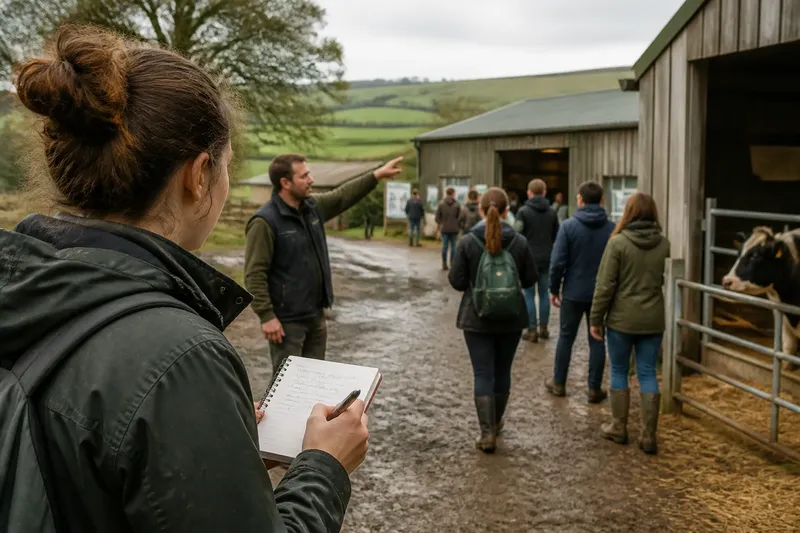
You arrive at a rural learning open day with a printed map, a damp jacket, and three questions that seemed clear at home. By the first display table, one has vanished and the others feel oddly broad. A short plan helps you judge the learning place, not just collect leaflets.
Focus on how teaching works, what the setting asks of learners, and which details need checking later. A few consistent questions and brief notes are more useful than trying to remember every room and conversation.
Prepare questions that reveal how learning works
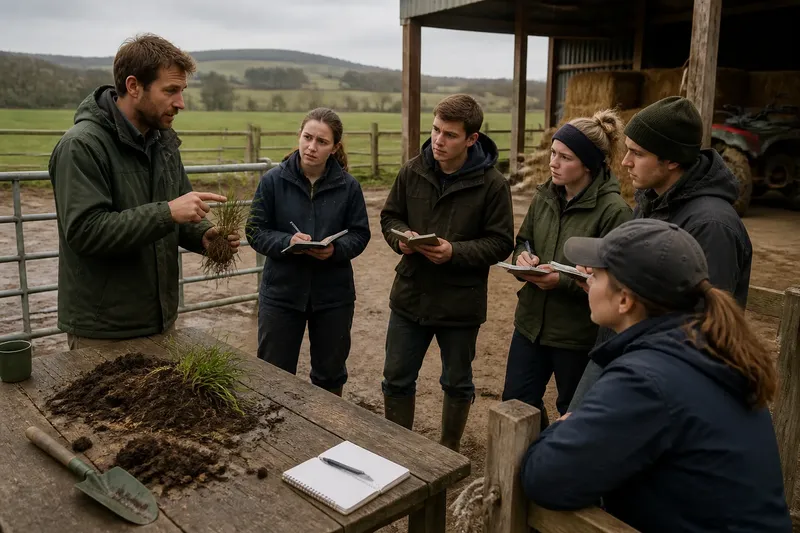
Open days bring together tutors, current learners, demonstrations, and course information. Write down your main questions before you go, then keep them in your phone or on a small card. Start with the details most likely to affect your choice:
- What does a typical learning day involve?
- How is time divided between classrooms, workshops, fields, or other work areas?
- What equipment, clothing, or materials do learners need?
- How do learners receive feedback on practical work?
- What support is available for reading, writing, or access needs?
- Where can I check current entry requirements and application details?
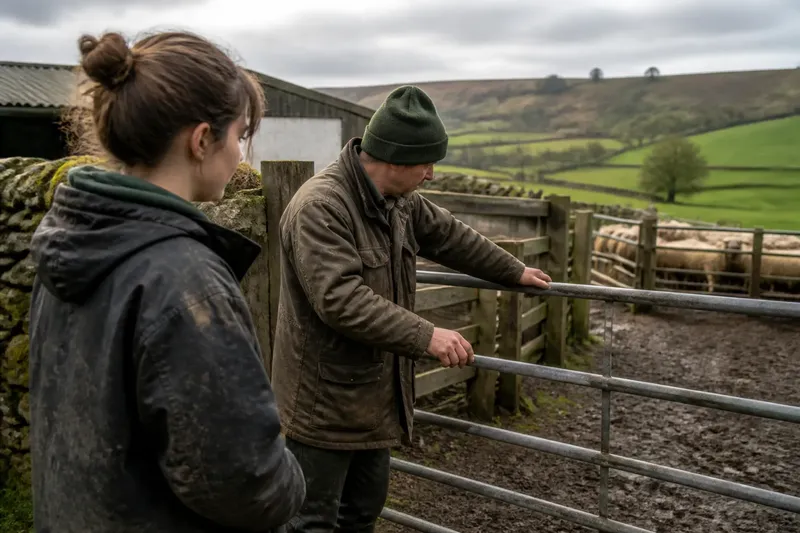
Ask the person best placed to answer. If a tutor cannot settle a question during a busy event, note who or what can provide the answer later. When comparing courses, use the same core questions at each visit; this makes differences easier to recall.
Inspect the spaces where learners spend their time
A course description may name subjects and outcomes but say little about the route between a classroom, workshop, and outdoor work area. During the tour, notice where learners prepare, clean equipment, store belongings, and sit down to work. Ask how instruction leads to supervised practice rather than assuming a tool on display represents an ordinary lesson.
Keep observation separate from judgment. A busy room may be hosting a demonstration, and an empty yard may simply be between activities. Ask whether you can see a usual teaching space, and note whether a detail was something you saw or something staff described.
Choose a few details to watch during the tour
Trying to inspect every building at once can make the visit feel like a race. Pick a few practical details and use each one to decide whether to ask a follow-up:
- Observe whether signs show visitors and learners where to go; if the route is unclear, ask how learners are directed between activities, then note the answer or request a map.
- Observe whether the room appears arranged for the activity underway; if the setup is hard to interpret, ask what a regular lesson looks like, then compare the explanation with the course information.
- Observe whether there is a quieter place to read or take a break; if you do not see one, ask staff where learners can go, then check whether that arrangement suits your needs.
- Observe how staff explain tasks and respond to questions; if an explanation leaves a key point unclear, ask for it to be put another way, then record what remains unresolved.
- Observe the route between learning spaces; if it raises an access concern, ask about arrangements for that route, then seek a course-specific answer rather than guessing from one visit.
- Observe whether learners have a place to store or clean equipment; if you cannot tell, ask what learners are expected to do, then note any requirement to confirm in writing.
These are prompts for conversation, not a scorecard. Where the answer depends on course instructions, product labels, or local rules, check the relevant source with staff.
Record what you saw and what still needs checking
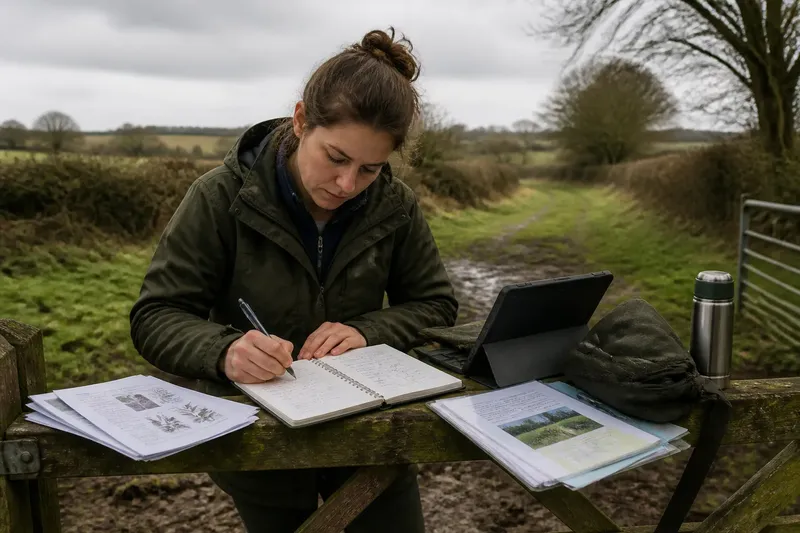
Printed material captures the provider’s information, not which explanation made sense to you or what felt uncertain. After each conversation, jot down the question, who answered, the main point, and any follow-up. Separate direct observations from details you were told; a phone note or small notebook will do.
Say you are interested in animal care but unsure how much teaching happens outdoors. You ask a tutor about the weekly routine and observe the route from the classroom to the animal area. The tutor describes regular outdoor sessions but cannot confirm how often they occur, so you write down that the frequency needs checking. Later, you compare your note with the course information and send a specific follow-up question; the result is a clearer answer, not a memory of a friendly tour doing all the work.
What should you do when the visit leaves questions open?
Should I visit more than one learning place?
If more than one option seems plausible, a second visit can help you compare teaching arrangements and settings. Use the same core questions at each place rather than trying to rank an entire institution from one afternoon.
What should I wear to a rural learning open day?
Choose comfortable clothing and footwear suited to the planned tour, especially if it includes outdoor or working areas. Check the event information for any specific clothing or access guidance.
Can I take photographs or record conversations?
Ask before photographing people or private work areas. Brief written notes are usually enough for conversations; get permission before making an audio recording.
What should I do after the open day?
Read your notes while the visit is fresh, separating what you observed, what staff told you, and what remains uncertain. Send a concise follow-up question if a missing detail could change your next step.
Use your notes to decide what happens next
A welcoming guide, an attractive workshop, or an awkward moment can dominate the memory of a short visit. Review your notes under three headings: what suited you, what concerns you, and what needs checking. Give each point a concrete basis, such as “the tutor described regular feedback” or “I could not find out how learners borrow equipment.”
Then choose a next action: follow up on an unanswered detail, compare another learning place, or read the course information more carefully. A rural learning open day is useful when it leaves you with a clearer picture of the setting and a short list of questions that someone can answer.